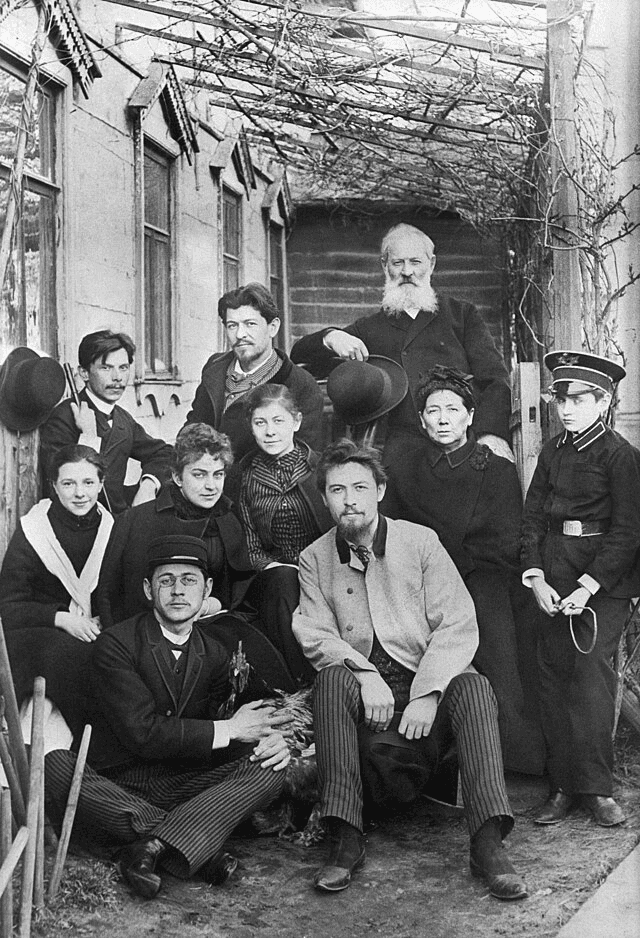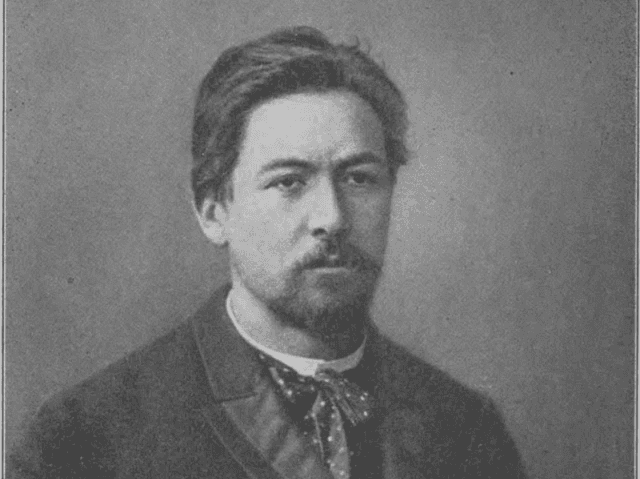
Anton Pavlovich Chekhov, born on January 29, 1860, in the port town of Taganrog, Russia, stands as one of the most influential figures in world literature. Often hailed as the father of the modern short story and a revolutionary playwright, Chekhov's work transcended the boundaries of his era, blending tragedy and comedy in ways that captured the nuances of human existence. His deceptively simple style—devoid of elaborate plots or dramatic resolutions—probed the depths of ordinary lives, revealing hidden motives and quiet desperations. As a medical doctor by training, Chekhov once quipped that medicine was his "lawful wife" and literature his "mistress," a duality that infused his writing with empathy and realism. Despite a life cut short by tuberculosis at age 44, his legacy endures, influencing generations of writers from Ernest Hemingway to Raymond Carver.
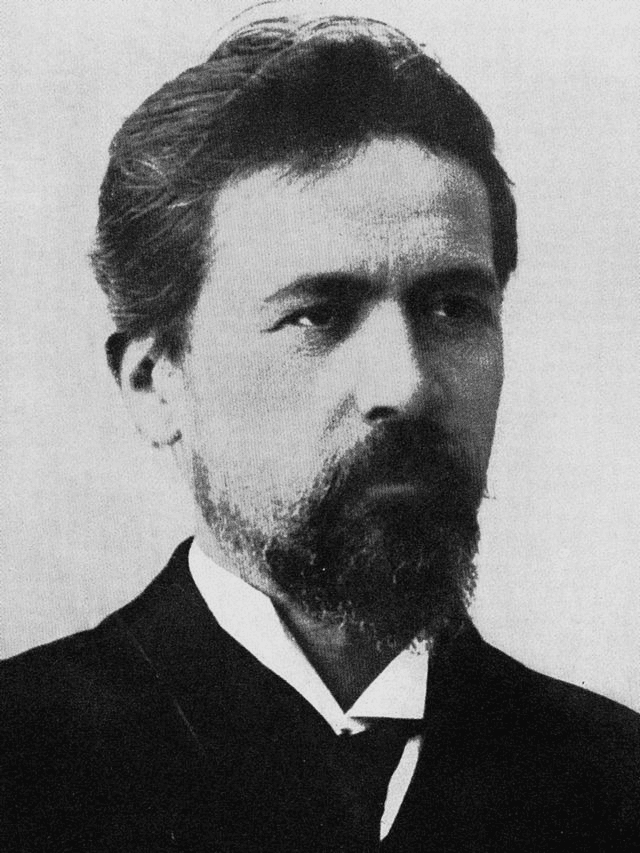
Chekhov's early years were marked by hardship and resilience. The third of six children, he was born into a family descended from serfs; his grandfather had bought his freedom, but his father, Pavel, a devout Orthodox Christian and grocer, struggled financially and was often abusive. Pavel's strict religious upbringing and physical punishments left a lasting impact on young Anton, who later reflected that there was "no childhood in my childhood." His mother, Yevgenia, provided a counterbalance as a gifted storyteller, regaling the children with tales of her travels across Russia with her merchant father. These stories likely sparked Chekhov's narrative imagination. The family's fortunes declined in 1876 when Pavel's business failed, forcing them to flee to Moscow to escape debtors. Chekhov, then 16, remained in Taganrog to complete his schooling, supporting himself through tutoring while enduring isolation and poverty.
In 1879, Chekhov reunited with his family in Moscow and enrolled in medical school at Moscow University, where he studied under renowned professors. To sustain his impoverished household—now his responsibility—he began writing humorous sketches and vignettes for popular magazines under pseudonyms like "Antosha Chekhonte." These early pieces satirized contemporary Russian life, earning him a reputation as a witty observer. By 1884, when he graduated and began practicing medicine, Chekhov had already published hundreds of short items, often producing them at a frantic pace to pay the bills. His medical career, though secondary to his writing, profoundly shaped his worldview. He treated patients from all walks of life, particularly the poor, and his experiences informed the compassionate humanism in his stories. Chekhov believed that "knowledge is of no value unless you put it into practice," a principle evident in his dual roles.
Chekhov's literary breakthrough came in the mid-1880s as he transitioned from light humor to more serious, introspective works. Encouraged by influential editor Dmitry Grigorovich, who praised his talent and urged him to take writing seriously, Chekhov began publishing under his real name. Collections like "Motley Tales" (1886) and "In the Twilight" (1887) showcased his evolving style: concise, atmospheric narratives that focused on everyday people and their inner conflicts rather than grand events. Stories such as "The Lady with the Dog" (1899) exemplify his mastery, exploring themes of love, regret, and the passage of time with subtle irony and emotional depth. Chekhov's principle of "Chekhov's gun"—that every element in a story must be necessary—became a cornerstone of dramatic theory, emphasizing economy and purpose in narrative.
His foray into theater solidified his reputation. Early one-act farces gave way to full-length plays that redefined drama. "The Seagull" (1896), initially a flop in St. Petersburg due to poor production, triumphed when revived by the Moscow Art Theatre in 1898 under Konstantin Stanislavski's direction. Chekhov insisted it was a comedy, yet its blend of unfulfilled dreams and existential malaise blurred genres. "Uncle Vanya" (1899), "Three Sisters" (1901), and "The Cherry Orchard" (1904) followed, each portraying the declining Russian gentry with poignant realism. In these works, characters grapple with change—industrialization, lost estates, unrequited love—without heroic resolutions. Chekhov's dialogue, full of subtext and pauses, mirrored real speech, influencing modern playwrights like Tennessee Williams and Arthur Miller.
Beyond writing, Chekhov's life was one of action and exploration. In 1890, he undertook a grueling 6,500-mile journey across Siberia to the penal colony on Sakhalin Island, documenting the brutal conditions in "Sakhalin Island" (1893-94), a work that exposed social injustices and advocated for reform. This trip exacerbated his tuberculosis, diagnosed in 1884 but largely ignored until 1897 when a severe hemorrhage forced him to seek warmer climates. He settled in Yalta, Crimea, where he built a villa and hosted literary figures like Leo Tolstoy and Maxim Gorky. Personally, Chekhov was generous yet private; he supported peasants and funded schools, but his relationships were complex. He married actress Olga Knipper in 1901 after a long courtship, though his health kept them apart much of the time.
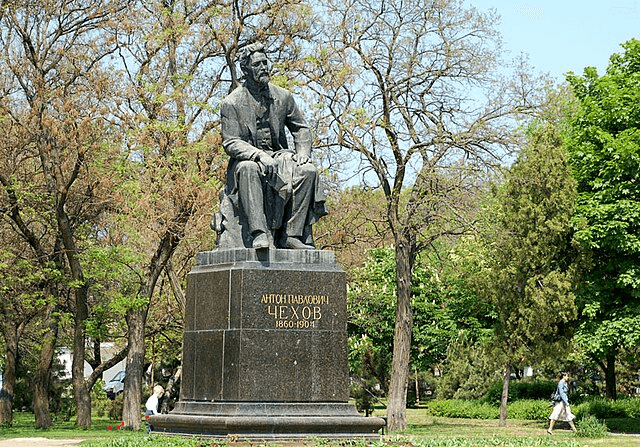
Chekhov's health deteriorated rapidly in his forties. Plagued by chronic illnesses including phlebitis and depression, he traveled to Badenweiler, Germany, for treatment in 1904. There, on July 15, he died peacefully after sipping champagne, his last words reportedly complaining about German women's fashion. His body was returned to Moscow for burial.
Chekhov's influence permeates literature and theater today. Seen by contemporaries as a naturalist chronicling Russia's social shifts—the rise of the bourgeoisie and aristocracy's fall—he was later interpreted by Soviets as a precursor to revolution. His characters, "readily recognizable as human," embody universal struggles, making his work timeless. In an age of rapid change, Chekhov reminds us that life's profundity lies in its quiet moments, a lesson as relevant now as in 19th-century Russia.