Featured Authors
The greatest of all time
Join us today to add your name to the list!
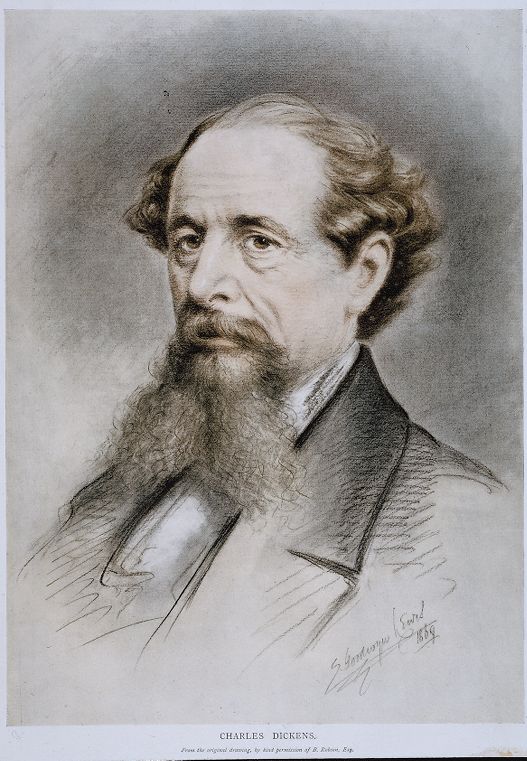
Charles Dickens
(1812-1870) British novelist, journalist, and social reformer who rose from childhood poverty to become the most celebrated writer of the Victorian era.
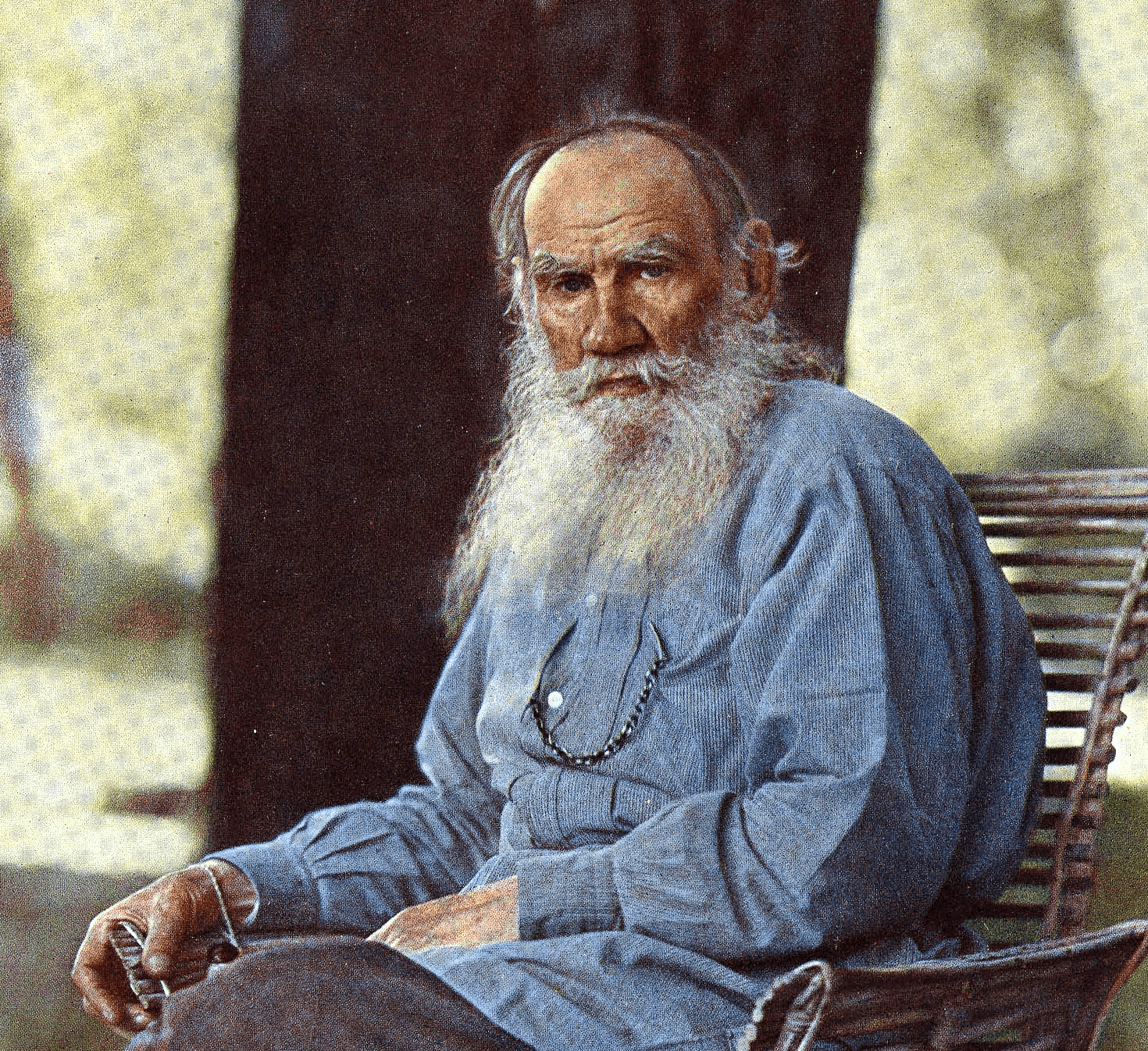
Leo Tolstoy
(1828-1910) Russian novelist, short-story writer, and moral philosopher, widely regarded as one of the greatest authors of all time. Best known for epic novels like War and Peace and Anna Karenina.
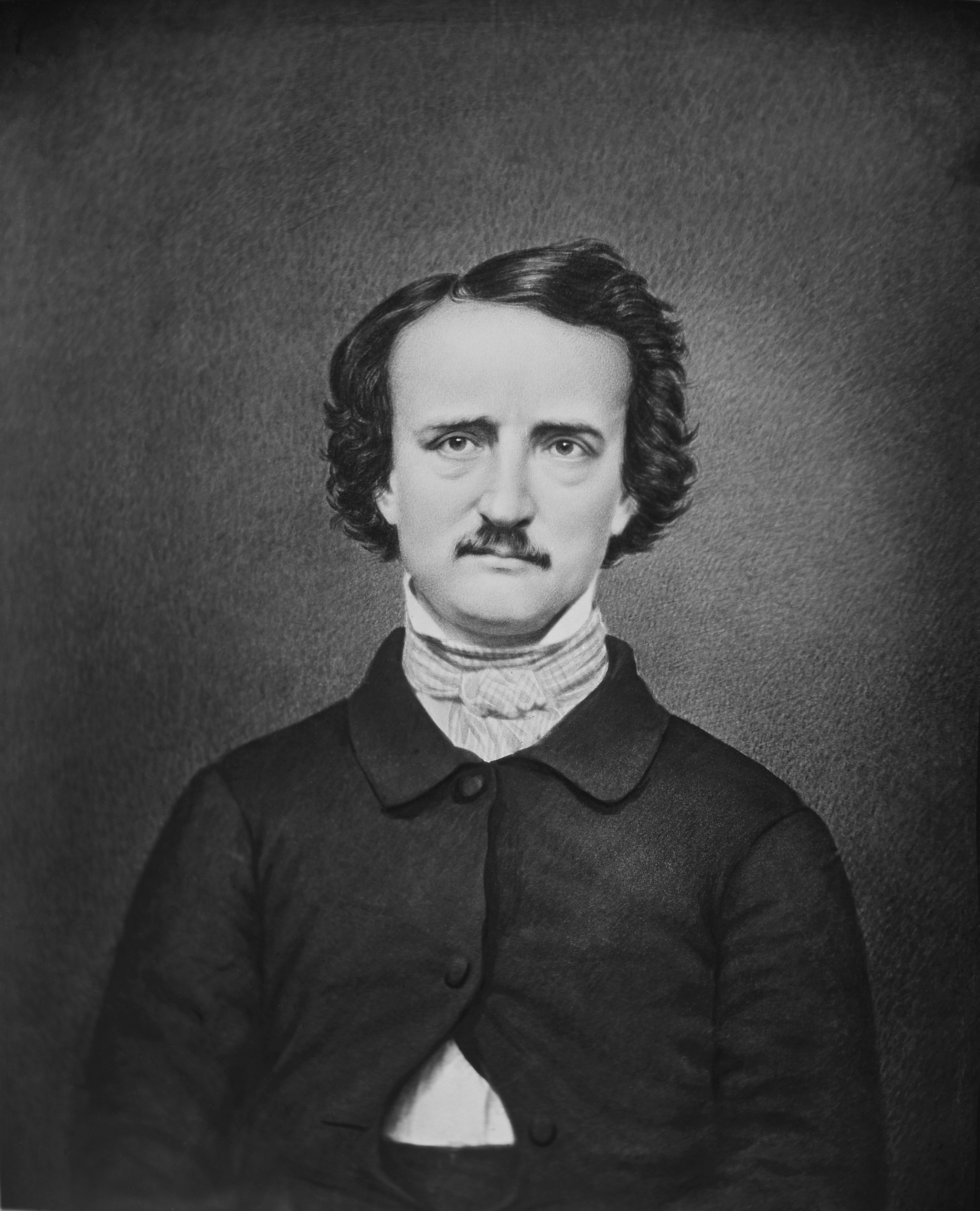
Edgar Allan Poe
(1809-1849) American writer, poet, and critic who essentially invented the modern detective story, perfected psychological horror, and pioneered science fiction. Despite lifelong poverty, addiction, and personal tragedy, his influence on literature remains colossal-shaping everyone from Dostoevsky to Stephen King and modern horror cinema.
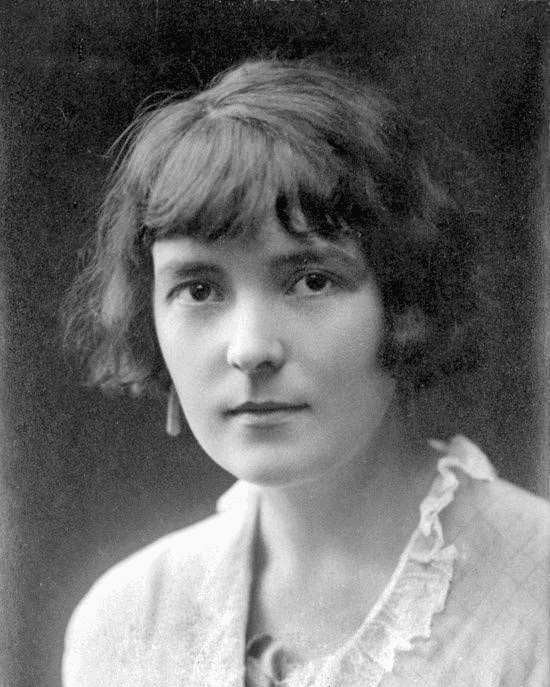
Katherine Mansfield
(1888-1937) New Zealand-born modernist short-story writer whose innovative, impressionistic style revolutionized the genre in the early 20th century. Dying of tuberculosis at just 34, she left a small but flawless body of work that continues to be studied as the gold standard of the modern short story.
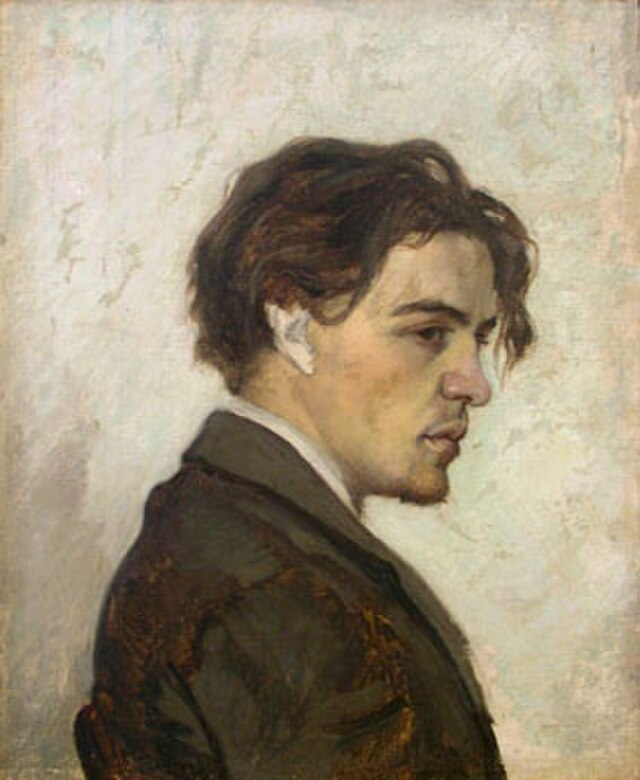
Anton Chekhov
(1860-1904) Russian physician, playwright, and short-story master who revolutionized both forms by replacing melodramatic plots with quiet, everyday moments that reveal the comedy and tragedy of ordinary lives. Wrote over 600 stories and left a body of work that Tolstoy called second only to Shakespeare.
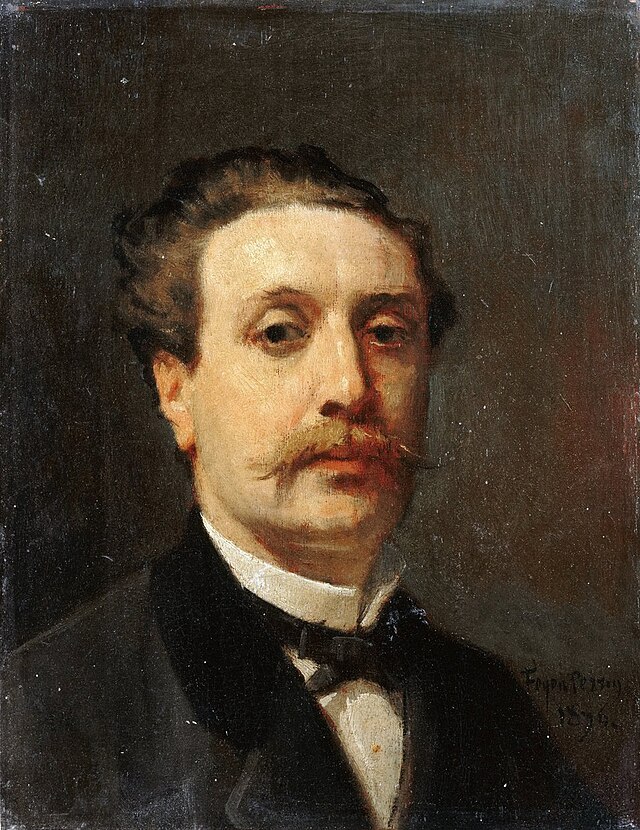
Guy de Maupassant
(1850-1893) French master of the short story who, in just over a decade wrote more than 300 stories that laid bare the vanity, cruelty, and hidden desires of bourgeois life. He earned the title "the greatest short-story writer who ever lived".
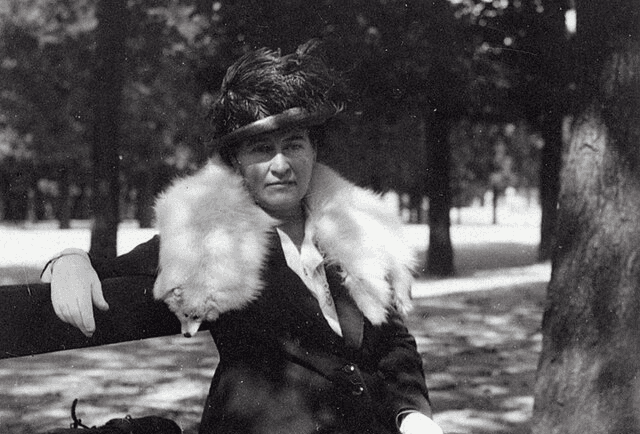
Willa Cather
(1873-1947) American novelist and short-story writer celebrated for her lyrical portraits of frontier life and the immigrant experience on the Great Plains. Cather reamins one of the most enduring voices in twentieth-century American literature.
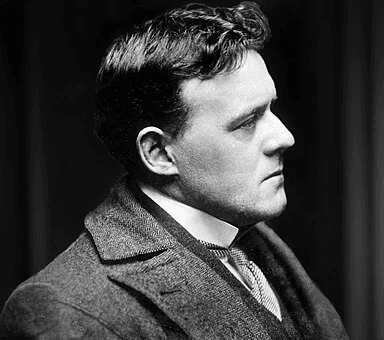
Hilaire Belloc
(1870-1953) Anglo-French writer, historian, and poet, known for his sharp wit, fierce independence, and coundless energy. Born in France and raised in Englad, he produced over 150 books. Belloc remains a towering, polarizing, figure in early twentieth-century English letters.
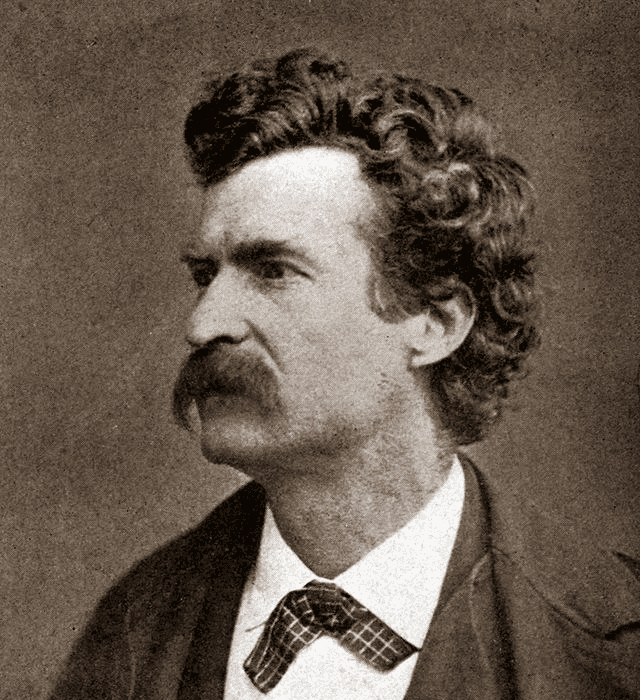
Mark Twain
(1835-1910). the pen name of Samuel Langhorne Clemens, was America's quintessential humorists, satirist, and social critic, whose sharp wit and plainspoken style redefined the nation's literature. Twain remains one of the most beloved and influential voices in world literature.
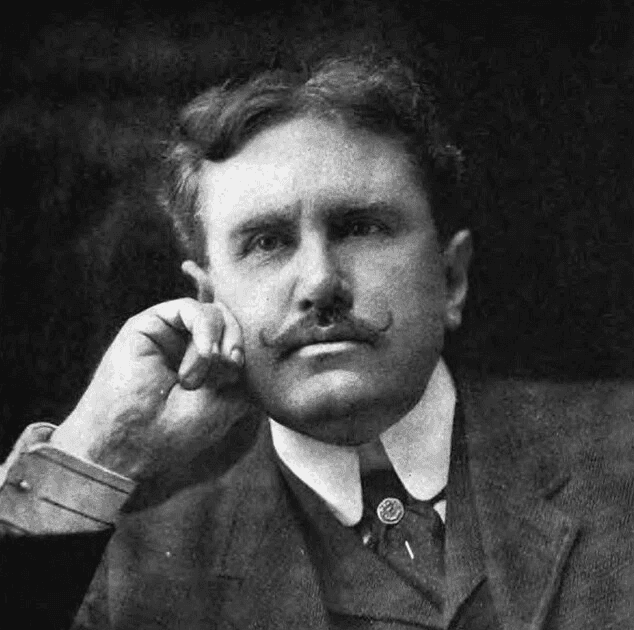
O. Henry
(1862-1910) the pen name of William Sydney Porter, was an American master of the short story renowned for his ingenious plot twists and bittersweet snapshots of everday life. Delighting readers with humor, pathos, and an unmatched ear for ordinary human kindness and irony.
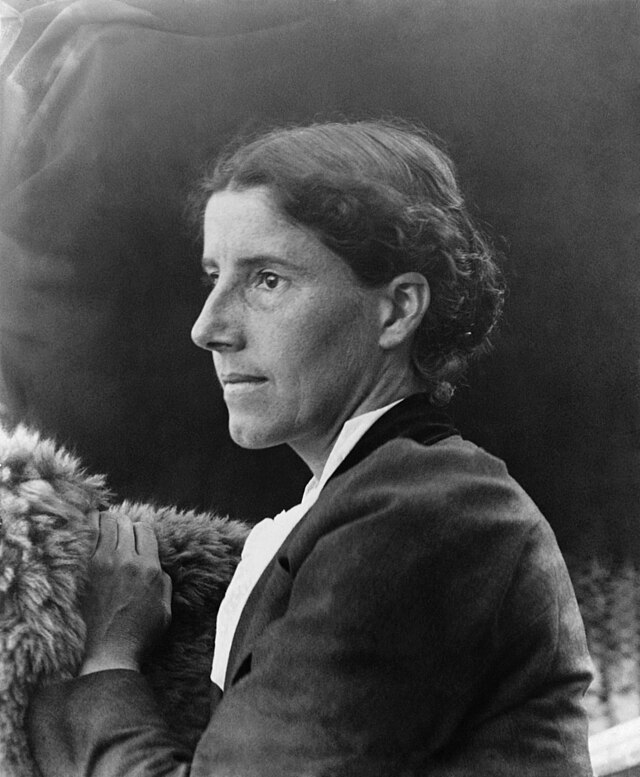
Charlotte Perkins Gilman
(1860-1935) American feminist, sociologist, novelist, and short-story writer whose bold ideas on women's economic independence and mental freedom reshaped early twentieth-century thought. Gilman remains a foundational figure in both American literature and feminist theory.
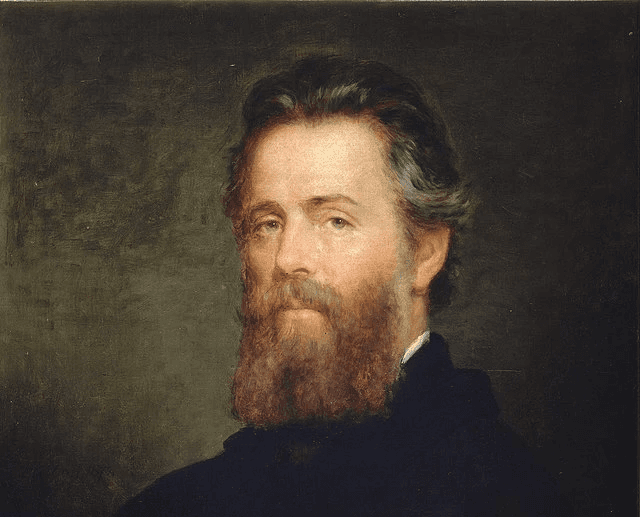
Herman Melville
(1819-1891) American novelist, poet, and short-story writer whose daring blend of adventure, philosophy, and psychological depth made him one of the most visionary figures in nineteenth-century literature.
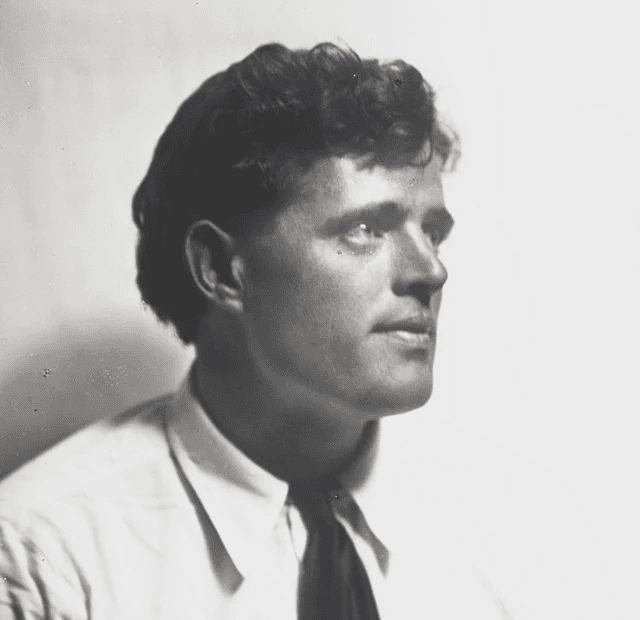
Jack London
(1876-1916) American novelist, journalist, and social activist whose raw, adventure-packed stories of survival and the untamed wilderness capitaved millions and made him the most commericially successful writer of his era.
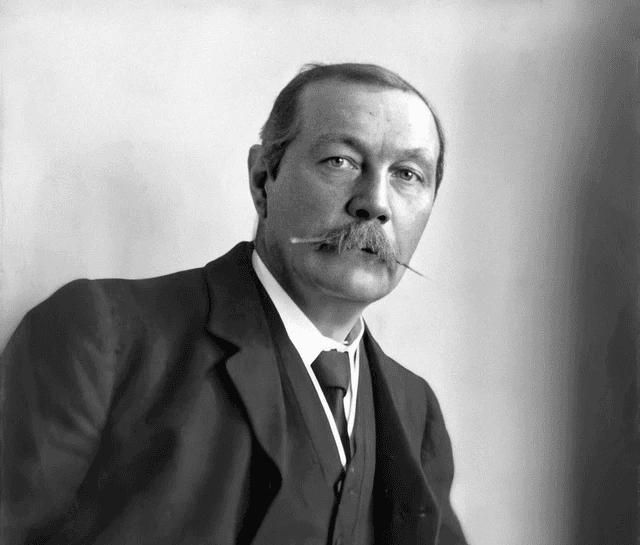
Arthur Conan Doyle
(1859-1930) British physician-turned-wirter who revolutionized detective fiction by creating Sherlock Holmes. Doyle also wrote science fiction like The Lost World, and passionate real-life advocacy for spiritualism and justice that defined his later years
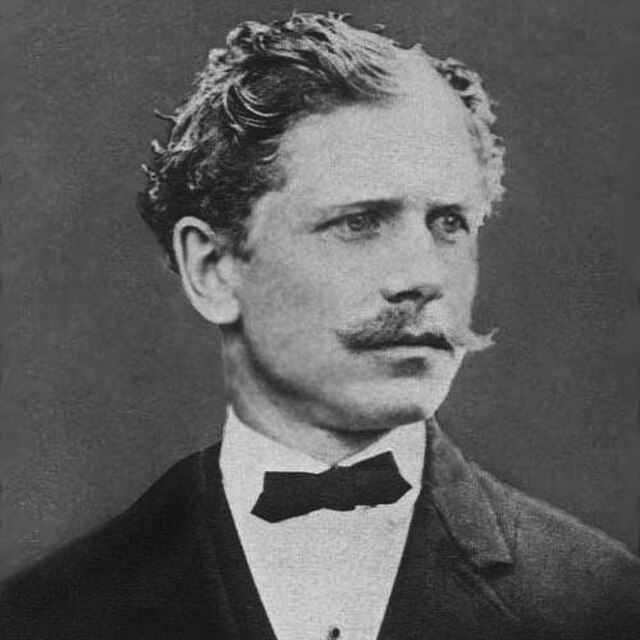
Ambrose Bierce
(1842-1914) American journalist, satirist, and short-story writer. A Civil War veteran whose harrowing battlefield experiences darkened his worldview, he produced masterpieces of psychological horror and irony. In 1913, at age 71 he vanished without a trace while traveling in revolutionary Mexico, leaving behind one of literature's great unsolved disappearances.
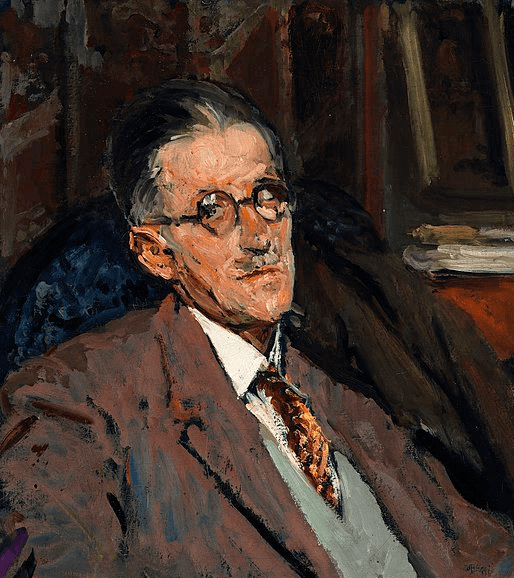
James Joyce
(1882-1941) Irish modernist genius whose revolutionary use of language, stream-of-consciousness technique, and unflinching psychological depth reshaped the novel in the twentieth century. Joyce remains a towering figure of literary modernism and the patron saint of writers who believe form should be as radical as feeling.
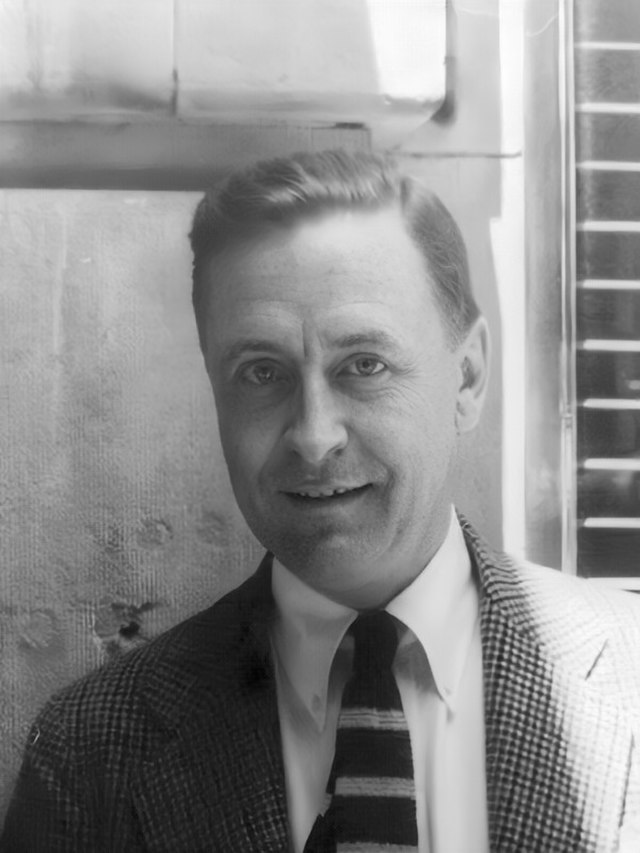
F. Scott Fitzgerald
(1896-1940) American writer whose lyrical prose and tragic vision captured the glamour, excess, and heartbreak of the 1920s America. A life of celebrity, alcoholism, and financial struggle shdowed his final years, yet his masterpieces of style, longing, and the corruption of the American Dream continue to define the possibilities of literary beauty.
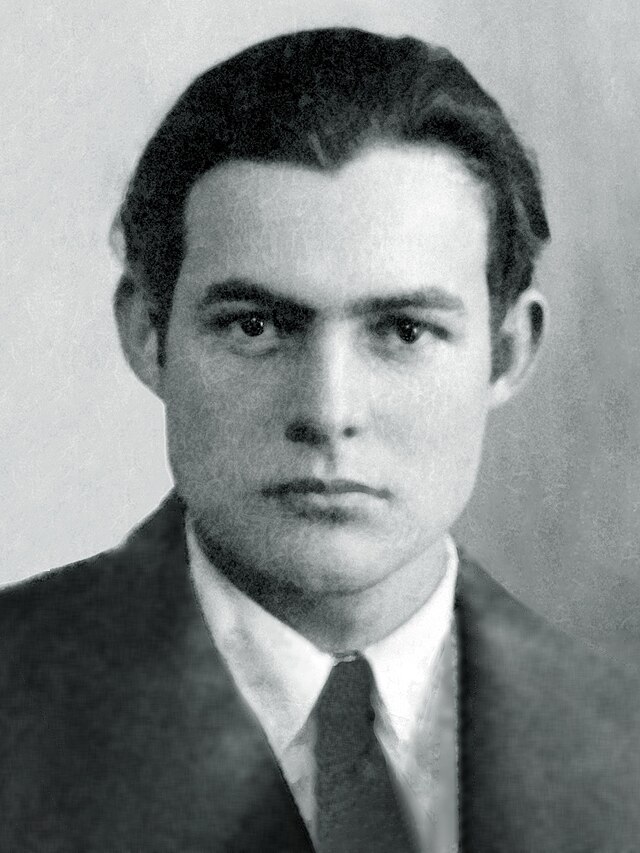
Ernest Hemingway
(1899-1961) American novelists, short-story writer, and journalist whose spare, muscular prose and code of stoic courage redefined modern literature. A volunteer ambulance driver in World War 1, big-game hunter, deep-sea fisherman, and war correspondent in Spain and World War 2, he transformed his lived adventures into masterpeices. Hemingway remains the iconic embodiment of literary toughness and tragic grace.
Featured Authors
The greatest of all time
Join us today to add your name to the list!
Charles Dickens
(1812-1870) British novelist, journalist, and social reformer who rose from childhood poverty to become the most celebrated writer of the Victorian era.
Charles Dickens
(1812-1870) British novelist, journalist, and social reformer who rose from childhood poverty to become the most celebrated writer of the Victorian era.
Leo Tolstoy
(1828-1910) Russian novelist, short-story writer, and moral philosopher, widely regarded as one of the greatest authors of all time. Best known for epic novels like War and Peace and Anna Karenina.
Leo Tolstoy
(1828-1910) Russian novelist, short-story writer, and moral philosopher, widely regarded as one of the greatest authors of all time. Best known for epic novels like War and Peace and Anna Karenina.
Edgar Allan Poe
(1809-1849) American writer, poet, and critic who essentially invented the modern detective story, perfected psychological horror, and pioneered science fiction. Despite lifelong poverty, addiction, and personal tragedy, his influence on literature remains colossal-shaping everyone from Dostoevsky to Stephen King and modern horror cinema.
Edgar Allan Poe
(1809-1849) American writer, poet, and critic who essentially invented the modern detective story, perfected psychological horror, and pioneered science fiction. Despite lifelong poverty, addiction, and personal tragedy, his influence on literature remains colossal-shaping everyone from Dostoevsky to Stephen King and modern horror cinema.
Katherine Mansfield
(1888-1937) New Zealand-born modernist short-story writer whose innovative, impressionistic style revolutionized the genre in the early 20th century. Dying of tuberculosis at just 34, she left a small but flawless body of work that continues to be studied as the gold standard of the modern short story.
Katherine Mansfield
(1888-1937) New Zealand-born modernist short-story writer whose innovative, impressionistic style revolutionized the genre in the early 20th century. Dying of tuberculosis at just 34, she left a small but flawless body of work that continues to be studied as the gold standard of the modern short story.
Anton Chekhov
(1860-1904) Russian physician, playwright, and short-story master who revolutionized both forms by replacing melodramatic plots with quiet, everyday moments that reveal the comedy and tragedy of ordinary lives. Wrote over 600 stories and left a body of work that Tolstoy called second only to Shakespeare.
Anton Chekhov
(1860-1904) Russian physician, playwright, and short-story master who revolutionized both forms by replacing melodramatic plots with quiet, everyday moments that reveal the comedy and tragedy of ordinary lives. Wrote over 600 stories and left a body of work that Tolstoy called second only to Shakespeare.
Guy de Maupassant
(1850-1893) French master of the short story who, in just over a decade wrote more than 300 stories that laid bare the vanity, cruelty, and hidden desires of bourgeois life. He earned the title "the greatest short-story writer who ever lived".
Guy de Maupassant
(1850-1893) French master of the short story who, in just over a decade wrote more than 300 stories that laid bare the vanity, cruelty, and hidden desires of bourgeois life. He earned the title "the greatest short-story writer who ever lived".
Willa Cather
(1873-1947) American novelist and short-story writer celebrated for her lyrical portraits of frontier life and the immigrant experience on the Great Plains. Cather reamins one of the most enduring voices in twentieth-century American literature.
Willa Cather
(1873-1947) American novelist and short-story writer celebrated for her lyrical portraits of frontier life and the immigrant experience on the Great Plains. Cather reamins one of the most enduring voices in twentieth-century American literature.
Hilaire Belloc
(1870-1953) Anglo-French writer, historian, and poet, known for his sharp wit, fierce independence, and coundless energy. Born in France and raised in Englad, he produced over 150 books. Belloc remains a towering, polarizing, figure in early twentieth-century English letters.
Hilaire Belloc
(1870-1953) Anglo-French writer, historian, and poet, known for his sharp wit, fierce independence, and coundless energy. Born in France and raised in Englad, he produced over 150 books. Belloc remains a towering, polarizing, figure in early twentieth-century English letters.
Mark Twain
(1835-1910). the pen name of Samuel Langhorne Clemens, was America's quintessential humorists, satirist, and social critic, whose sharp wit and plainspoken style redefined the nation's literature. Twain remains one of the most beloved and influential voices in world literature.
Mark Twain
(1835-1910). the pen name of Samuel Langhorne Clemens, was America's quintessential humorists, satirist, and social critic, whose sharp wit and plainspoken style redefined the nation's literature. Twain remains one of the most beloved and influential voices in world literature.
O. Henry
(1862-1910) the pen name of William Sydney Porter, was an American master of the short story renowned for his ingenious plot twists and bittersweet snapshots of everday life. Delighting readers with humor, pathos, and an unmatched ear for ordinary human kindness and irony.
O. Henry
(1862-1910) the pen name of William Sydney Porter, was an American master of the short story renowned for his ingenious plot twists and bittersweet snapshots of everday life. Delighting readers with humor, pathos, and an unmatched ear for ordinary human kindness and irony.
Charlotte Perkins Gilman
(1860-1935) American feminist, sociologist, novelist, and short-story writer whose bold ideas on women's economic independence and mental freedom reshaped early twentieth-century thought. Gilman remains a foundational figure in both American literature and feminist theory.
Charlotte Perkins Gilman
(1860-1935) American feminist, sociologist, novelist, and short-story writer whose bold ideas on women's economic independence and mental freedom reshaped early twentieth-century thought. Gilman remains a foundational figure in both American literature and feminist theory.
Herman Melville
(1819-1891) American novelist, poet, and short-story writer whose daring blend of adventure, philosophy, and psychological depth made him one of the most visionary figures in nineteenth-century literature.
Herman Melville
(1819-1891) American novelist, poet, and short-story writer whose daring blend of adventure, philosophy, and psychological depth made him one of the most visionary figures in nineteenth-century literature.
Jack London
(1876-1916) American novelist, journalist, and social activist whose raw, adventure-packed stories of survival and the untamed wilderness capitaved millions and made him the most commericially successful writer of his era.
Jack London
(1876-1916) American novelist, journalist, and social activist whose raw, adventure-packed stories of survival and the untamed wilderness capitaved millions and made him the most commericially successful writer of his era.
Arthur Conan Doyle
(1859-1930) British physician-turned-wirter who revolutionized detective fiction by creating Sherlock Holmes. Doyle also wrote science fiction like The Lost World, and passionate real-life advocacy for spiritualism and justice that defined his later years
Arthur Conan Doyle
(1859-1930) British physician-turned-wirter who revolutionized detective fiction by creating Sherlock Holmes. Doyle also wrote science fiction like The Lost World, and passionate real-life advocacy for spiritualism and justice that defined his later years
Ambrose Bierce
(1842-1914) American journalist, satirist, and short-story writer. A Civil War veteran whose harrowing battlefield experiences darkened his worldview, he produced masterpieces of psychological horror and irony. In 1913, at age 71 he vanished without a trace while traveling in revolutionary Mexico, leaving behind one of literature's great unsolved disappearances.
Ambrose Bierce
(1842-1914) American journalist, satirist, and short-story writer. A Civil War veteran whose harrowing battlefield experiences darkened his worldview, he produced masterpieces of psychological horror and irony. In 1913, at age 71 he vanished without a trace while traveling in revolutionary Mexico, leaving behind one of literature's great unsolved disappearances.
James Joyce
(1882-1941) Irish modernist genius whose revolutionary use of language, stream-of-consciousness technique, and unflinching psychological depth reshaped the novel in the twentieth century. Joyce remains a towering figure of literary modernism and the patron saint of writers who believe form should be as radical as feeling.
James Joyce
(1882-1941) Irish modernist genius whose revolutionary use of language, stream-of-consciousness technique, and unflinching psychological depth reshaped the novel in the twentieth century. Joyce remains a towering figure of literary modernism and the patron saint of writers who believe form should be as radical as feeling.
F. Scott Fitzgerald
(1896-1940) American writer whose lyrical prose and tragic vision captured the glamour, excess, and heartbreak of the 1920s America. A life of celebrity, alcoholism, and financial struggle shdowed his final years, yet his masterpieces of style, longing, and the corruption of the American Dream continue to define the possibilities of literary beauty.
F. Scott Fitzgerald
(1896-1940) American writer whose lyrical prose and tragic vision captured the glamour, excess, and heartbreak of the 1920s America. A life of celebrity, alcoholism, and financial struggle shdowed his final years, yet his masterpieces of style, longing, and the corruption of the American Dream continue to define the possibilities of literary beauty.
Ernest Hemingway
(1899-1961) American novelists, short-story writer, and journalist whose spare, muscular prose and code of stoic courage redefined modern literature. A volunteer ambulance driver in World War 1, big-game hunter, deep-sea fisherman, and war correspondent in Spain and World War 2, he transformed his lived adventures into masterpeices. Hemingway remains the iconic embodiment of literary toughness and tragic grace.
Ernest Hemingway
(1899-1961) American novelists, short-story writer, and journalist whose spare, muscular prose and code of stoic courage redefined modern literature. A volunteer ambulance driver in World War 1, big-game hunter, deep-sea fisherman, and war correspondent in Spain and World War 2, he transformed his lived adventures into masterpeices. Hemingway remains the iconic embodiment of literary toughness and tragic grace.
Featured Authors
The greatest of all time
Join us today to add your name to the list!
Charles Dickens
(1812-1870) British novelist journalist, and social reformer who rose from childhood poverty to become the most celebrated writer of the Victorian era.
Charles Dickens
(1812-1870) British novelist journalist, and social reformer who rose from childhood poverty to become the most celebrated writer of the Victorian era.
Leo Tolstoy
(1828-1910) Russian novelist, short-story writer, and moral philosopher, widely regarded as one of the greatest authors of all time. Best known for epic novels like War and Peace and Anna Karenina.
Leo Tolstoy
(1828-1910) Russian novelist, short-story writer, and moral philosopher, widely regarded as one of the greatest authors of all time. Best known for epic novels like War and Peace and Anna Karenina.
Charles Dickens
(1812-1870) British novelist, journalist, and social reformer who rose from childhood poverty to become the most celebrated writer of the Victorian era.
Charles Dickens
(1812-1870) British novelist, journalist, and social reformer who rose from childhood poverty to become the most celebrated writer of the Victorian era.
Edgar Allan Poe
(1809-1849) American writer, poet, and critic who essentially invented the modern detective story, perfected psychological horror, and pioneered science fiction. Despite lifelong poverty, addiction, and personal tragedy, his influence on literature remains colossal-shaping everyone from Dostoevsky to Stephen King and modern horror cinema.
Edgar Allan Poe
(1809-1849) American writer, poet, and critic who essentially invented the modern detective story, perfected psychological horror, and pioneered science fiction. Despite lifelong poverty, addiction, and personal tragedy, his influence on literature remains colossal-shaping everyone from Dostoevsky to Stephen King and modern horror cinema.
Katherine Mansfield
(1888-1937) New Zealand-born modernist short-story writer whose innovative, impressionistic style revolutionized the genre in the early 20th century. Dying of tuberculosis at just 34, she left a small but flawless body of work that continues to be studied as the gold standard of the modern short story.
Katherine Mansfield
(1888-1937) New Zealand-born modernist short-story writer whose innovative, impressionistic style revolutionized the genre in the early 20th century. Dying of tuberculosis at just 34, she left a small but flawless body of work that continues to be studied as the gold standard of the modern short story.
Anton Chekhov
(1860-1904) Russian physician, playwright, and short-story master who revolutionized both forms by replacing melodramatic plots with quiet, everyday moments that reveal the comedy and tragedy of ordinary lives. Wrote over 600 stories and left a body of work that Tolstoy called second only to Shakespeare.
Anton Chekhov
(1860-1904) Russian physician, playwright, and short-story master who revolutionized both forms by replacing melodramatic plots with quiet, everyday moments that reveal the comedy and tragedy of ordinary lives. Wrote over 600 stories and left a body of work that Tolstoy called second only to Shakespeare.
Guy de Maupassant
(1850-1893) French master of the short story who, in just over a decade wrote more than 300 stories that laid bare the vanity, cruelty, and hidden desires of bourgeois life. He earned the title "the greatest short-story writer who ever lived".
Guy de Maupassant
(1850-1893) French master of the short story who, in just over a decade wrote more than 300 stories that laid bare the vanity, cruelty, and hidden desires of bourgeois life. He earned the title "the greatest short-story writer who ever lived".
Willa Cather
(1873-1947) American novelist and short-story writer celebrated for her lyrical portraits of frontier life and the immigrant experience on the Great Plains. Cather reamins one of the most enduring voices in twentieth-century American literature.
Willa Cather
(1873-1947) American novelist and short-story writer celebrated for her lyrical portraits of frontier life and the immigrant experience on the Great Plains. Cather reamins one of the most enduring voices in twentieth-century American literature.
Hilaire Belloc
(1870-1953) Anglo-French writer, historian, and poet, known for his sharp wit, fierce independence, and coundless energy. Born in France and raised in Englad, he produced over 150 books. Belloc remains a towering, polarizing, figure in early twentieth-century English letters.
Hilaire Belloc
(1870-1953) Anglo-French writer, historian, and poet, known for his sharp wit, fierce independence, and coundless energy. Born in France and raised in Englad, he produced over 150 books. Belloc remains a towering, polarizing, figure in early twentieth-century English letters.
Mark Twain
(1835-1910). the pen name of Samuel Langhorne Clemens, was America's quintessential humorists, satirist, and social critic, whose sharp wit and plainspoken style redefined the nation's literature. Twain remains one of the most beloved and influential voices in world literature.
Mark Twain
(1835-1910). the pen name of Samuel Langhorne Clemens, was America's quintessential humorists, satirist, and social critic, whose sharp wit and plainspoken style redefined the nation's literature. Twain remains one of the most beloved and influential voices in world literature.
O. Henry
(1862-1910) the pen name of William Sydney Porter, was an American master of the short story renowned for his ingenious plot twists and bittersweet snapshots of everday life. Delighting readers with humor, pathos, and an unmatched ear for ordinary human kindness and irony.
O. Henry
(1862-1910) the pen name of William Sydney Porter, was an American master of the short story renowned for his ingenious plot twists and bittersweet snapshots of everday life. Delighting readers with humor, pathos, and an unmatched ear for ordinary human kindness and irony.
Charlotte Perkins Gilman
(1860-1935) American feminist, sociologist, novelist, and short-story writer whose bold ideas on women's economic independence and mental freedom reshaped early twentieth-century thought. Gilman remains a foundational figure in both American literature and feminist theory.
Charlotte Perkins Gilman
(1860-1935) American feminist, sociologist, novelist, and short-story writer whose bold ideas on women's economic independence and mental freedom reshaped early twentieth-century thought. Gilman remains a foundational figure in both American literature and feminist theory.
Herman Melville
(1819-1891) American novelist, poet, and short-story writer whose daring blend of adventure, philosophy, and psychological depth made him one of the most visionary figures in nineteenth-century literature.
Herman Melville
(1819-1891) American novelist, poet, and short-story writer whose daring blend of adventure, philosophy, and psychological depth made him one of the most visionary figures in nineteenth-century literature.
Jack London
(1876-1916) American novelist, journalist, and social activist whose raw, adventure-packed stories of survival and the untamed wilderness capitaved millions and made him the most commericially successful writer of his era.
Jack London
(1876-1916) American novelist, journalist, and social activist whose raw, adventure-packed stories of survival and the untamed wilderness capitaved millions and made him the most commericially successful writer of his era.
Arthur Conan Doyle
(1859-1930) British physician-turned-wirter who revolutionized detective fiction by creating Sherlock Holmes. Doyle also wrote science fiction like The Lost World, and passionate real-life advocacy for spiritualism and justice that defined his later years
Arthur Conan Doyle
(1859-1930) British physician-turned-wirter who revolutionized detective fiction by creating Sherlock Holmes. Doyle also wrote science fiction like The Lost World, and passionate real-life advocacy for spiritualism and justice that defined his later years
Ambrose Bierce
(1842-1914) American journalist, satirist, and short-story writer. A Civil War veteran whose harrowing battlefield experiences darkened his worldview, he produced masterpieces of psychological horror and irony. In 1913, at age 71 he vanished without a trace while traveling in revolutionary Mexico, leaving behind one of literature's great unsolved disappearances.
Ambrose Bierce
(1842-1914) American journalist, satirist, and short-story writer. A Civil War veteran whose harrowing battlefield experiences darkened his worldview, he produced masterpieces of psychological horror and irony. In 1913, at age 71 he vanished without a trace while traveling in revolutionary Mexico, leaving behind one of literature's great unsolved disappearances.
James Joyce
(1882-1941) Irish modernist genius whose revolutionary use of language, stream-of-consciousness technique, and unflinching psychological depth reshaped the novel in the twentieth century. Joyce remains a towering figure of literary modernism and the patron saint of writers who believe form should be as radical as feeling.
James Joyce
(1882-1941) Irish modernist genius whose revolutionary use of language, stream-of-consciousness technique, and unflinching psychological depth reshaped the novel in the twentieth century. Joyce remains a towering figure of literary modernism and the patron saint of writers who believe form should be as radical as feeling.
F. Scott Fitzgerald
(1896-1940) American writer whose lyrical prose and tragic vision captured the glamour, excess, and heartbreak of the 1920s America. A life of celebrity, alcoholism, and financial struggle shdowed his final years, yet his masterpieces of style, longing, and the corruption of the American Dream continue to define the possibilities of literary beauty.
F. Scott Fitzgerald
(1896-1940) American writer whose lyrical prose and tragic vision captured the glamour, excess, and heartbreak of the 1920s America. A life of celebrity, alcoholism, and financial struggle shdowed his final years, yet his masterpieces of style, longing, and the corruption of the American Dream continue to define the possibilities of literary beauty.
Ernest Hemingway
(1899-1961) American novelists, short-story writer, and journalist whose spare, muscular prose and code of stoic courage redefined modern literature. A volunteer ambulance driver in World War 1, big-game hunter, deep-sea fisherman, and war correspondent in Spain and World War 2, he transformed his lived adventures into masterpeices. Hemingway remains the iconic embodiment of literary toughness and tragic grace.
Ernest Hemingway
(1899-1961) American novelists, short-story writer, and journalist whose spare, muscular prose and code of stoic courage redefined modern literature. A volunteer ambulance driver in World War 1, big-game hunter, deep-sea fisherman, and war correspondent in Spain and World War 2, he transformed his lived adventures into masterpeices. Hemingway remains the iconic embodiment of literary toughness and tragic grace.