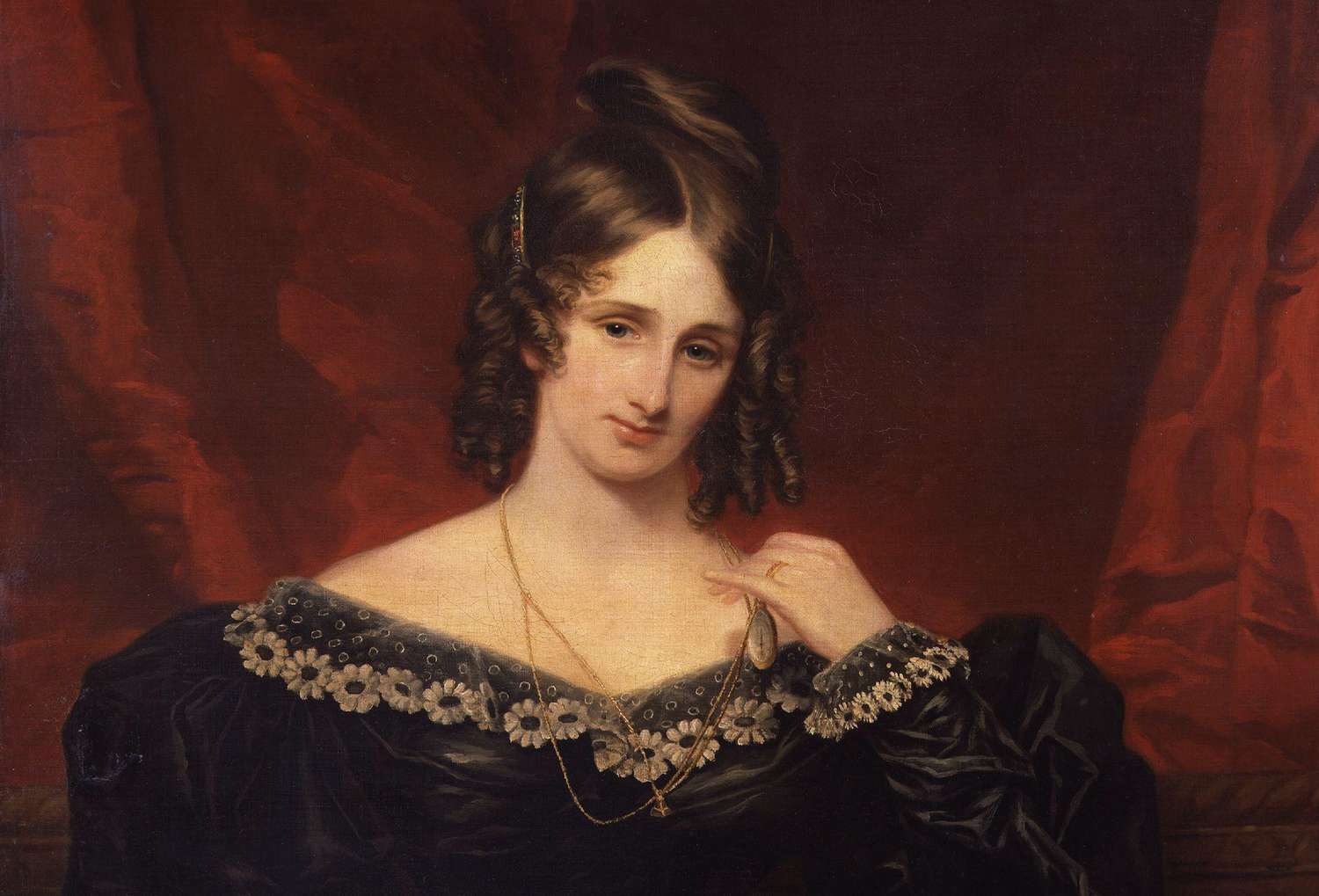
Mary Wollstonecraft Shelley, born on August 30, 1797, in London, was destined for a life immersed in radical ideas. Her mother, Mary Wollstonecraft, the pioneering feminist author of A Vindication of the Rights of Woman, died just days after giving birth. Raised by her philosopher father, William Godwin, young Mary devoured books in his extensive library and absorbed progressive thoughts from visitors like Samuel Taylor Coleridge.
At 16, Mary eloped with the married Romantic poet Percy Bysshe Shelley, sparking scandal. Their union, formalized after his wife's suicide in 1816, was passionate but tumultuous.
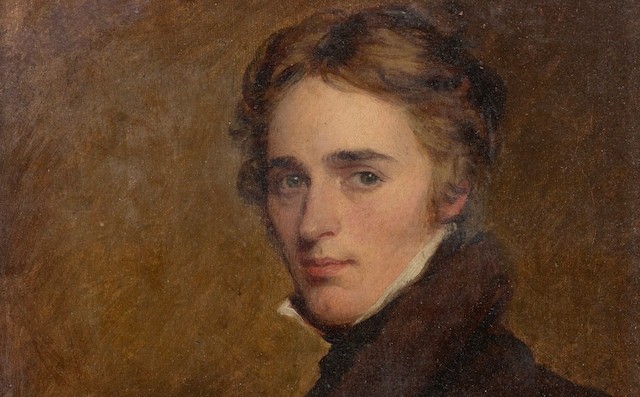
That same year, during a stormy summer at Villa Diodati near Lake Geneva with Lord Byron and others, a ghost story contest inspired Mary's masterpiece.
At just 18, she conceived Frankenstein; or, The Modern Prometheus, published anonymously in 1818. This groundbreaking novel explored themes of creation, ambition, isolation, and the ethics of science—earning her the title "mother of science fiction."
Tragedy shadowed Mary's life. She suffered miscarriages, lost three children, and in 1822, Percy drowned in a boating accident off Italy. Widowed at 24, she returned to England, raising her surviving son alone while supporting herself through writing.
Beyond Frankenstein, Shelley penned novels like The Last Man (1826), a post-apocalyptic tale; Valperga (1823); and Lodore (1835). She also edited Percy's works and wrote travelogues, biographies, and short stories. Despite financial struggles and health issues, she remained intellectually active, advocating for women's education and rights, echoing her mother's legacy.
Mary Shelley died on February 1, 1851, at age 53, from a brain tumor. Her enduring influence spans literature, film, and philosophy, reminding us of the perils of unchecked hubris. In an era when women writers were rare, Shelley's voice roared eternally through her monstrous creation.