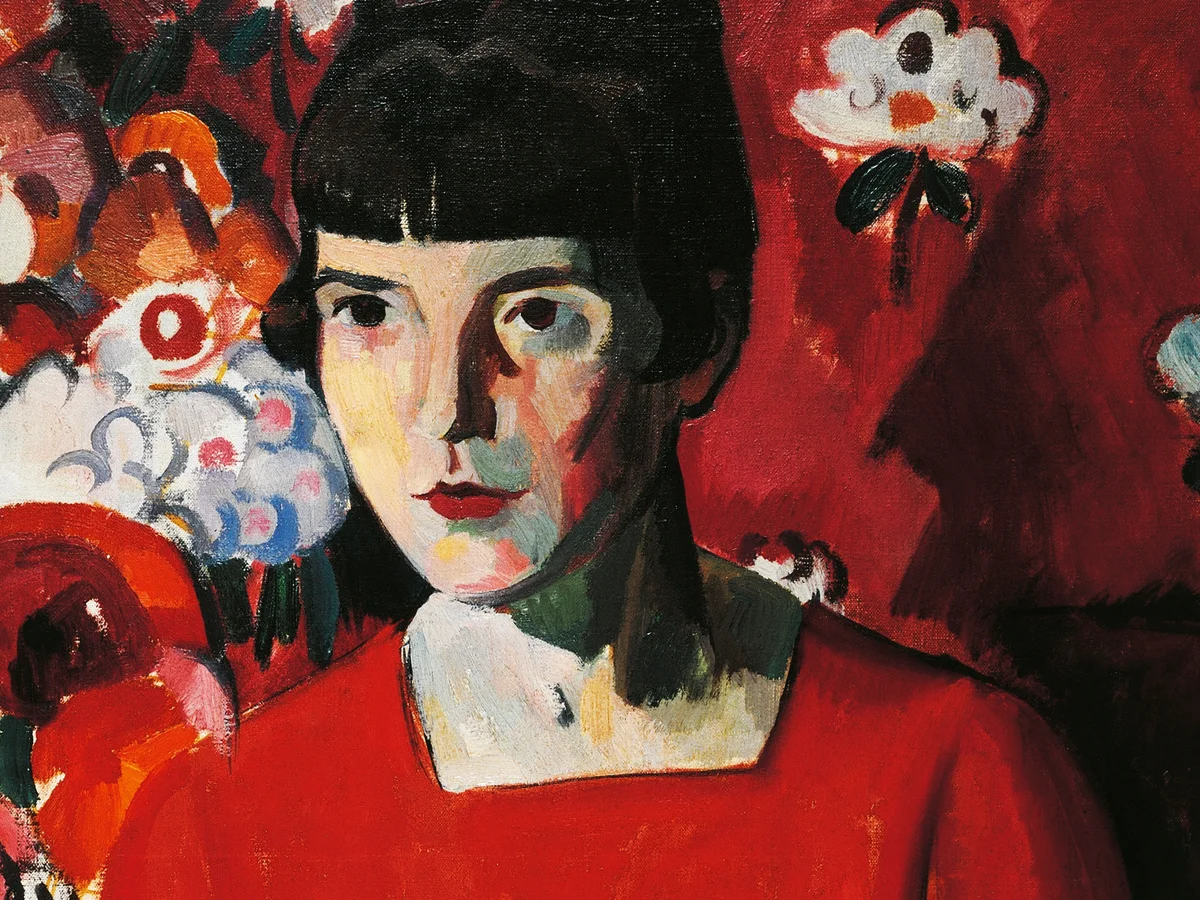
The Delicate Genius of Katherine Mansfield: Pioneer of the Modern Short Story
Jan 3, 2026
Katherine Mansfield, born Kathleen Mansfield Beauchamp on October 14, 1888, in Wellington, New Zealand, emerged as one of the most innovative short story writers of the 20th century. Growing up in a prosperous colonial family, she was the third of five children. Her idyllic childhood in Thorndon was marked by a love for nature and music, but also by a sense of alienation in the rigid society of colonial New Zealand.
At 14, Mansfield moved to London to attend Queen's College, where she discovered her passion for writing and embraced a bohemian lifestyle. She returned briefly to New Zealand in 1906 but found it stifling, yearning for Europe's artistic freedom. In 1908, she persuaded her father to let her return to London permanently, armed with an allowance.
Life in London was tumultuous. Mansfield experimented with relationships, including a brief marriage of convenience that she quickly abandoned. She fell in love with Ida Baker, a devoted friend who supported her lifelong, and later married critic John Middleton Murry in 1918, though their relationship was complex and open.
Her early work appeared in magazines, but tragedy struck in 1915 when her beloved brother Leslie died in World War I. This loss profoundly influenced her writing, infusing it with nostalgic memories of New Zealand childhoods.
Mansfield's breakthrough came with Bliss and Other Stories (1920), featuring the iconic title story "Bliss," a subtle exploration of repressed desire and epiphany.
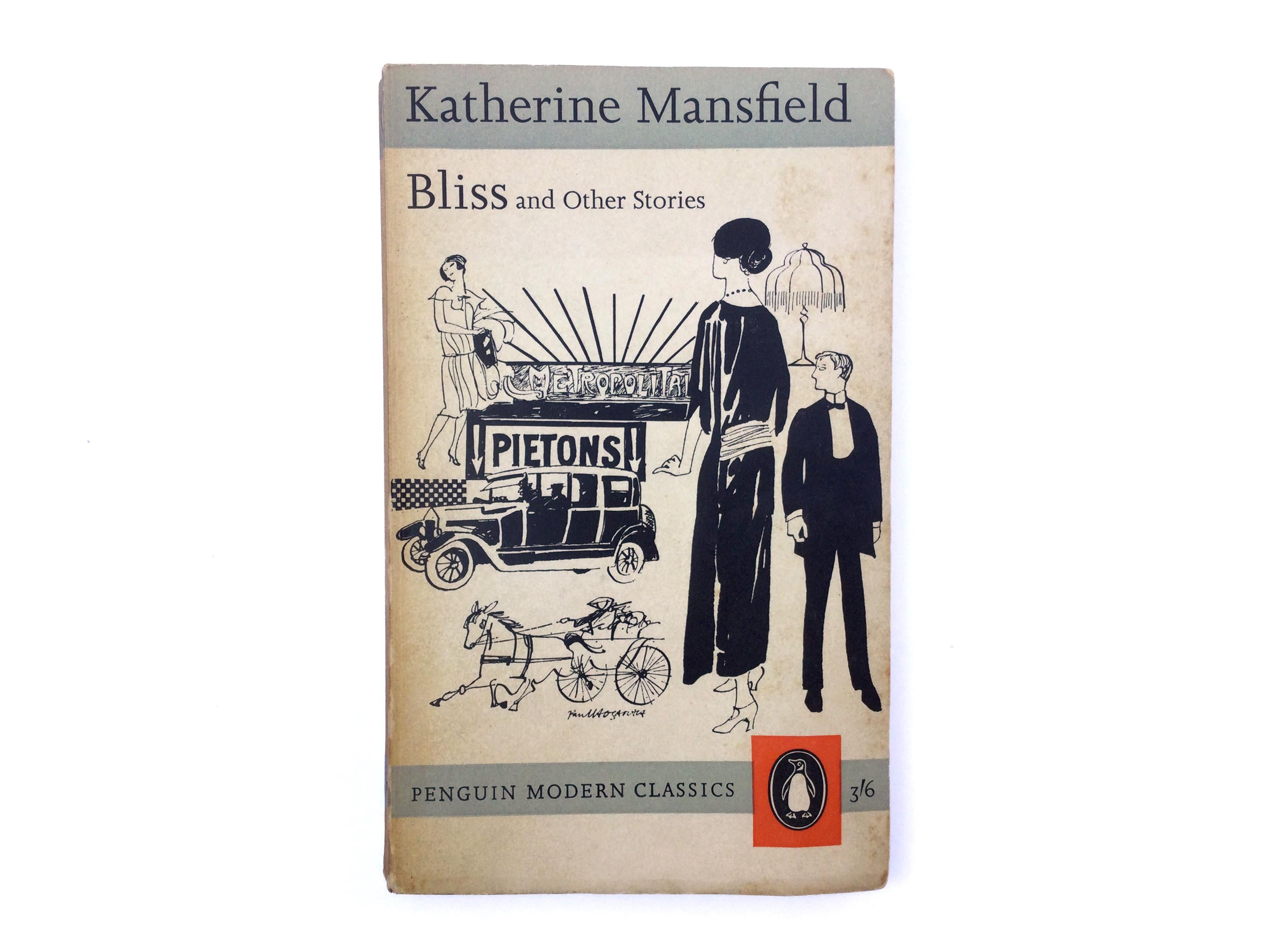
etsy.com: Vintage Penguin Paperback: Bliss and Other Stories by Katherine ...
Followed by The Garden Party and Other Stories (1922), including masterpieces like "The Garden Party," "At the Bay," and "The Daughters of the Late Colonel." Her stories revolutionized the form with impressionistic techniques, stream-of-consciousness, and psychological depth, moving away from plot-driven narratives to capture fleeting moments and inner lives.
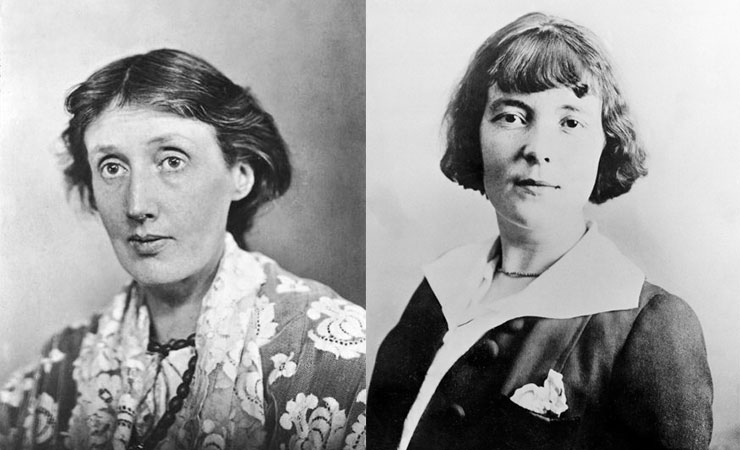
She formed a significant, if competitive, friendship with Virginia Woolf, who admired Mansfield's work immensely, declaring after reading "Prelude" that it was the best short story since Chekhov—whom Mansfield idolized and emulated.
Plagued by health issues, Mansfield contracted tuberculosis in 1917 after a bout of pleurisy. She spent years seeking cures in France, Switzerland, and Italy, writing prolifically despite frailty. Her journals and letters reveal a sharp, witty, and introspective voice.
Katherine Mansfield died on January 9, 1923, at age 34, in Fontainebleau, France, after entering George Gurdjieff's Institute for the Harmonious Development of Man. Posthumously, Murry published collections like The Dove's Nest (1923) and Something Childish (1924), cementing her legacy.
Though her output was small—fewer than 100 stories—Mansfield's influence on modernism is immense. She paved the way for writers like Woolf, Elizabeth Bowen, and contemporary short fiction masters. Her delicate, luminous prose continues to illuminate the subtleties of human experience, making her an enduring pioneer of the modern short story.